


What Are the Best Food Sources of Carnosine?
Carnosine food sources are limited almost entirely to animal muscle tissue, since the dipeptide is synthesized and stored inside skeletal muscle cells. CarnoSyn® beta-alanine exists because of a specific limitation in this dietary picture, one that has less to do with what you eat and more to do with what your body does with it after digestion. For those looking to close that gap more directly, CarnoSyn® 4X is built to raise muscle carnosine efficiently, regardless of diet.
Which Foods Naturally Contain the Highest Levels of Carnosine?
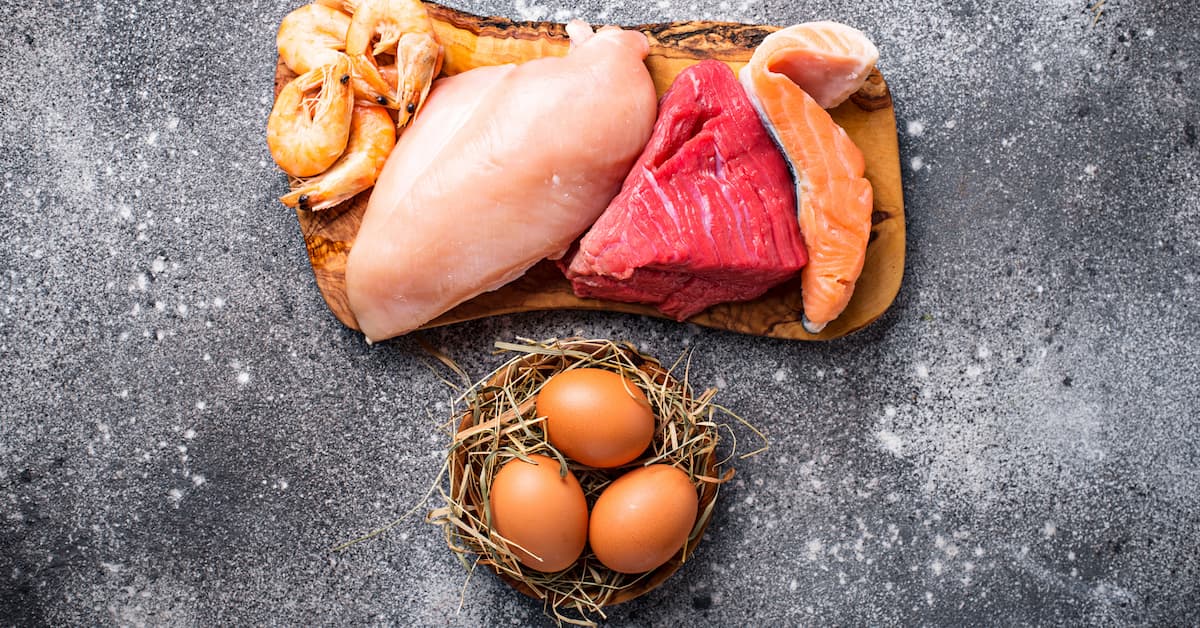
Carnosine concentration is highest in red meat and poultry, since the dipeptide accumulates in proportion to muscle activity and fiber type. Pork carries the highest concentration among common dietary sources, at approximately 2.4 mg per gram of tissue. Beef follows closely behind at roughly 1.7 to 2.3 mg per gram, while poultry shows the widest range, from 0.7 to 2.2 mg per gram, largely due to differences in breed, cut, and muscle fiber composition.
Fish contributes measurable but generally lower carnosine content compared to red meat and poultry, and plant foods contain none effectively, since carnosine synthesis requires muscle tissue that plants do not have. This is why carnosine is classified as an animal-derived compound with no meaningful vegetarian or vegan dietary source.
Typical Carnosine Content by Food Source
- Pork: approximately 2.4 mg per gram of tissue
- Beef: approximately 1.7 to 2.3 mg per gram
- Poultry: 0.7 to 2.2 mg per gram, depending on cut and breed
- Fish: present but at generally lower concentrations than red meat or poultry
- Plant-based foods: negligible to none
Why Isn’t Diet Alone Usually Enough to Maximize Muscle Carnosine?
Diet alone is rarely enough because of a digestive bottleneck, not a lack of available food sources. Average dietary carnosine intake among people who regularly eat meat falls between 50 and 250 milligrams per day, a modest amount relative to the levels associated with measurable performance and antioxidant benefits in research.
The more significant limitation happens after ingestion. Circulating carnosine is broken down by serum carnosinase, an enzyme that cleaves the dipeptide into its component amino acids before much of it can be taken up intact by muscle tissue. This means that even a carnosine-rich meal delivers less usable carnosine to muscle than the raw food content would suggest, since a portion is degraded in circulation before it reaches its destination.
This enzymatic barrier is the primary reason increasing meat intake does not reliably or efficiently raise muscle carnosine levels, independent of how much carnosine a given food contains on paper.
How Does Supplementation Fill the Gap Food Sources Leave Behind?
Supplementation fills this gap by delivering beta-alanine directly, rather than relying on intact dietary carnosine to survive serum carnosinase degradation. Beta-alanine itself is not degraded by this enzyme, and it combines with histidine inside muscle tissue via carnosine synthase, building carnosine locally rather than depending on circulating carnosine surviving the trip from gut to muscle.
This is why CarnoSyn® beta-alanine supplementation is considered a more reliable strategy for raising muscle carnosine than increasing intake of carnosine-rich foods alone. The pathway sidesteps the exact degradation step that limits dietary carnosine’s effectiveness, regardless of how much pork, beef, or poultry is included in the diet.
Who This Matters Most For
- Vegetarians and vegans, who have no meaningful dietary carnosine source at all
- Endurance and strength athletes seeking measurable increases in muscle carnosine
- Older adults, since muscle carnosine levels naturally decline with age
- Anyone relying on diet alone who has not seen the performance changes associated with elevated muscle carnosine
How CarnoSyn® 4X Delivers More Than Standard Beta-Alanine
Standard beta-alanine already sidesteps the serum carnosinase bottleneck that limits dietary carnosine. CarnoSyn® 4X takes that same pathway further: this patent-pending formulation is engineered for four times the bioavailability of standard beta-alanine, meaning more of each dose is available to combine with histidine and build muscle carnosine, rather than being lost to digestion or excretion.
This matters most for the groups already covered above. Vegetarians and vegans working entirely without dietary carnosine, older adults contending with natural age-related decline, and athletes who have not seen results from diet or standard supplementation all stand to gain the most from a formulation engineered for higher uptake. CarnoSyn® 4X also delivers this benefit with a paresthesia-free profile, so the increased bioavailability does not come with a stronger tingling response.
Close the Gap With CarnoSyn® 4X
If diet alone has not been enough to noticeably raise your muscle carnosine, CarnoSyn® 4X offers a direct path around the serum carnosinase bottleneck entirely. This patent-pending formulation delivers four times the bioavailability of standard beta-alanine in a paresthesia-free profile, supporting efficient carnosine synthesis without relying on food sources alone.
References
Furuse, M. (2007). Carnosine and dietary intake, as cited in Carnosine – an overview, ScienceDirect Topics.
Examine.com. What are the main food sources of beta-alanine/carnosine?

Copyright © 2026. CarnoSyn®, TriBsynTM, and SR CarnoSyn® are registered trademarks of Natural Alternatives International, Inc.




*These statements have not been evaluated by the Food and Drug Administration. This product is not intended to diagnose, treat, cure, or prevent any disease.
Privacy Policy | Cookie Consent | Beta-Alanine
Privacy Policy | Cookie Consent | Beta-Alanine